



 Wendy Warr
Those of you in my network will know that I am an avid meeting goer, but this meeting was particularly special for me. If you would like a “spoiler”, skip straight to my conclusions, but perhaps it is better if you first read the whole of this article and draw your own conclusions.
This two-day event showed off the combined expertise of Certara, Chemaxon, and their global community of customers, empowering scientists and research informaticians to achieve greater certainty in drug discovery. Day One featured a scientific conference with renowned industry speakers discussing the impact of new modalities on therapy discovery. Day Two focused on practical solutions offered by the companies’ discovery software suite, including D360, Certara AI, Design Hub, Compound Registration, and Marvin.
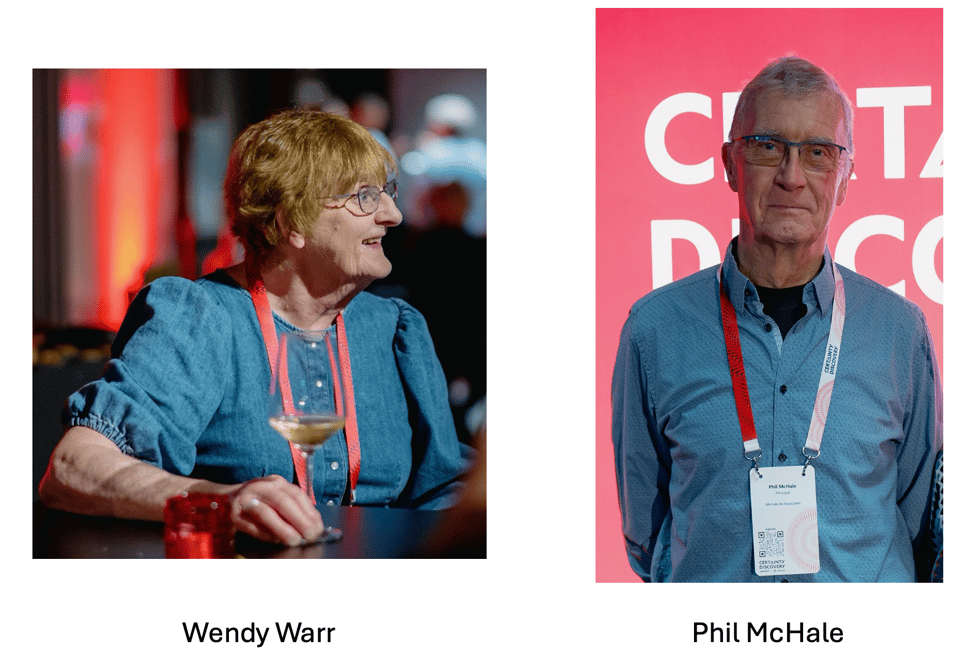
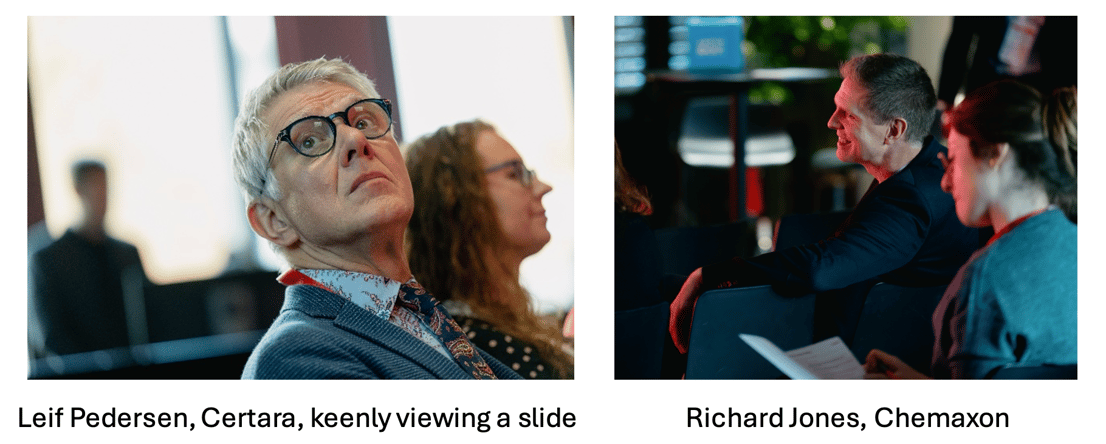
Last year I wrote about Chemaxon’s ChemTalks meeting. This year, I had the pleasure of helping Chemaxon to plan the program for Day One. Second prize is writing a blog. My colleague Phil McHale has written a blog post about all the science at the meeting, so I am free to wax lyrical about the organizational and social features.
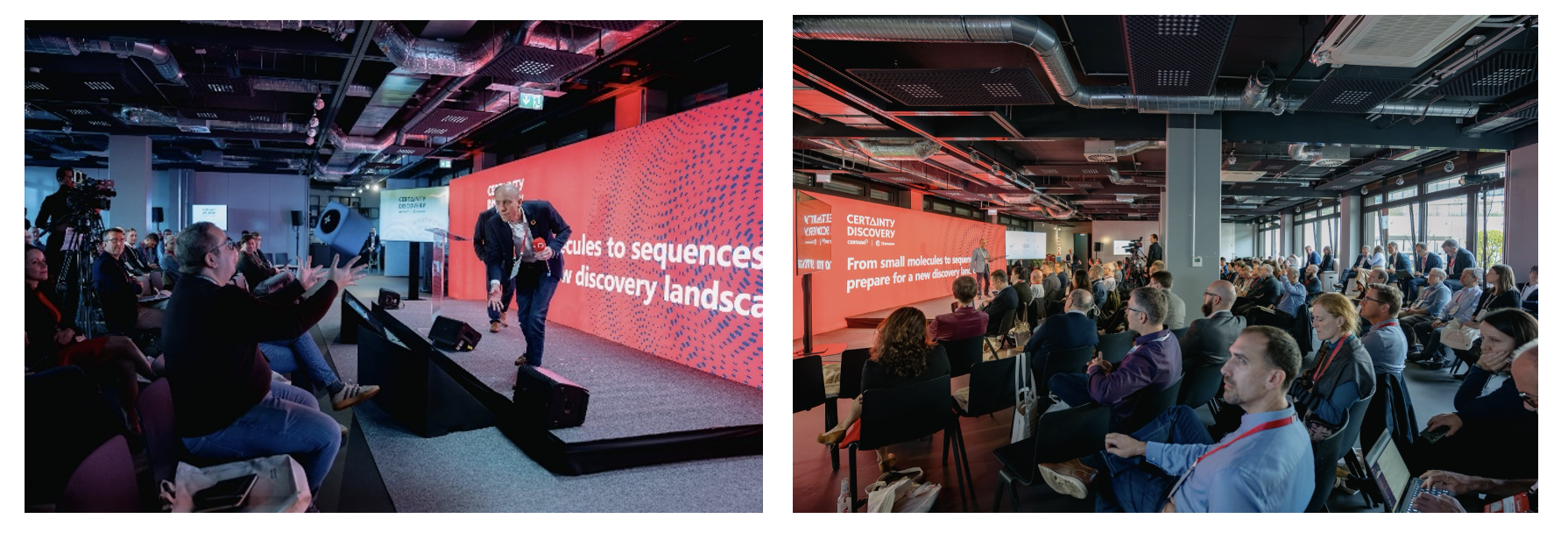
The production mixed the pizzazz and dynamism of a typical Chemaxon meeting with the carefully curated content of Certara meetings. Both the now-united companies brought something unique in terms of science and organization. Last year’s Chemaxon color theme was magenta, this year it was scarlet for a red-hot meeting. Yet again, the speakers were welcomed to the stage with fanfares signaling the appearance of celebrities. There were cameras everywhere, and afterwards, I was supplied with hundreds of superb hi-res photographs from which to choose the graphics in this article. Last year, the speakers got framed photographs of themselves. This year, they got special conference bags ablaze with their mugshots. The Catch Box mic was also in evidence.
Not surprisingly, Germany was home to nearly 51% of the attendees. Denmark accounted for 9%; the United Kingdom, 8%; France 6%; and Canada, Switzerland, and Japan each 5%. Hungary, Ireland, the Netherlands, Spain, Sweden. and the United States were in the minority. Languages were even more diverse: there were attendees of Italian and Chinese mother-tongue, for example. Certara and Chemaxon are not included in this analysis, but the bosses and many others were there.
Networking
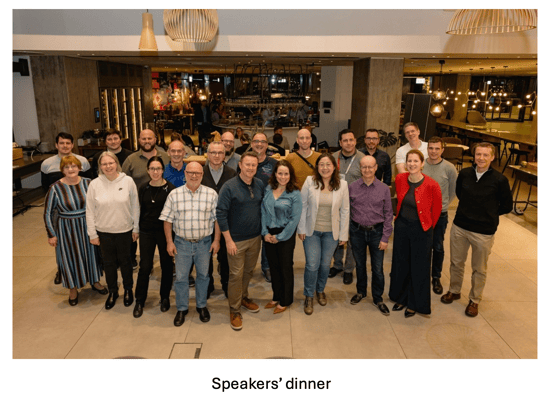
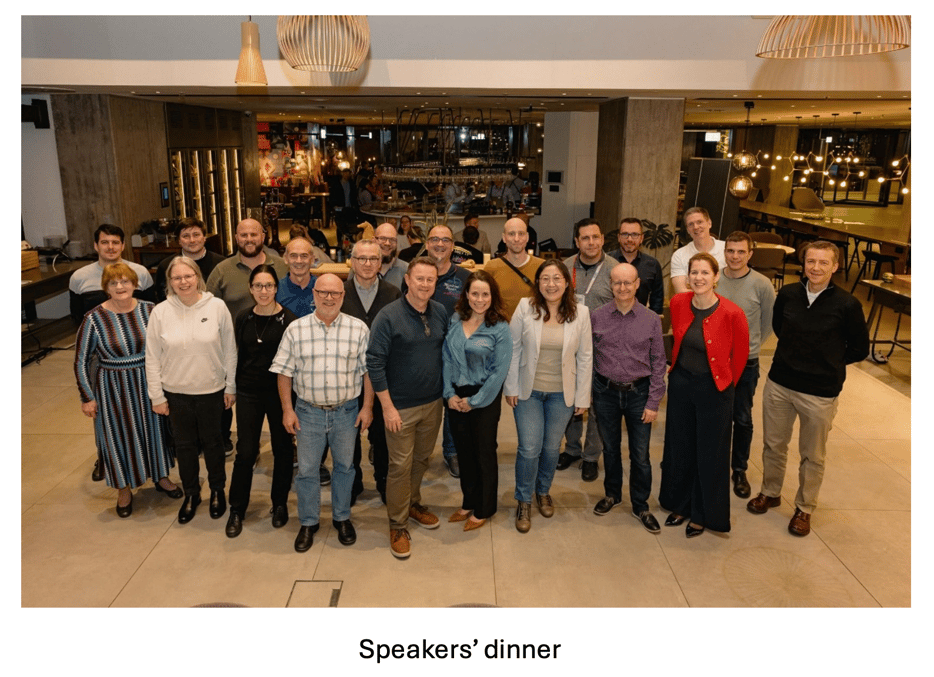
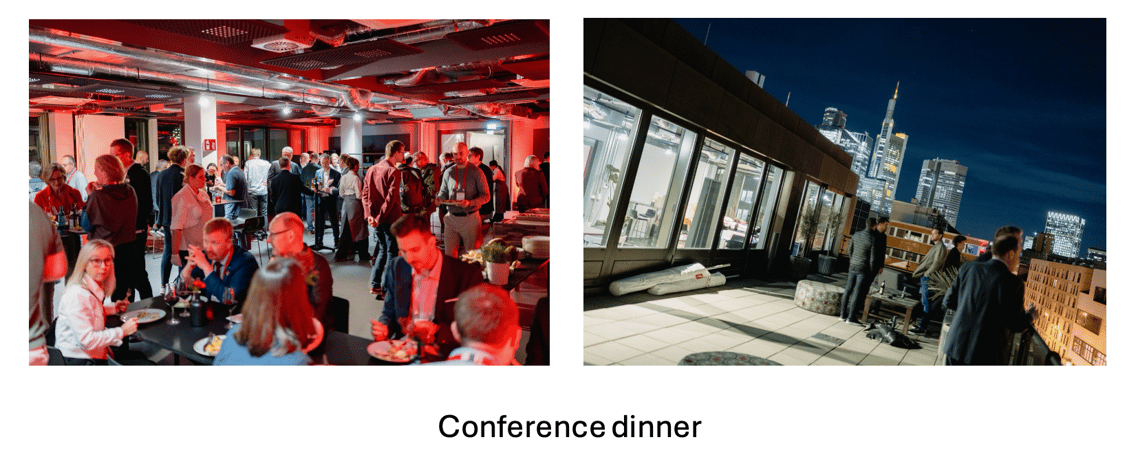
The attendance was good (almost all the seats were taken), the talks were great, and up-and-coming scientists mingled with other experts. Technically, all went well. Of course, not everything can be perfect. The speakers’ dinner in a nearby hotel was fine and the conference dinner at the rooftop level of the main venue was excellent, but almost everyone agreed that lunch on Day Two was best forgotten.
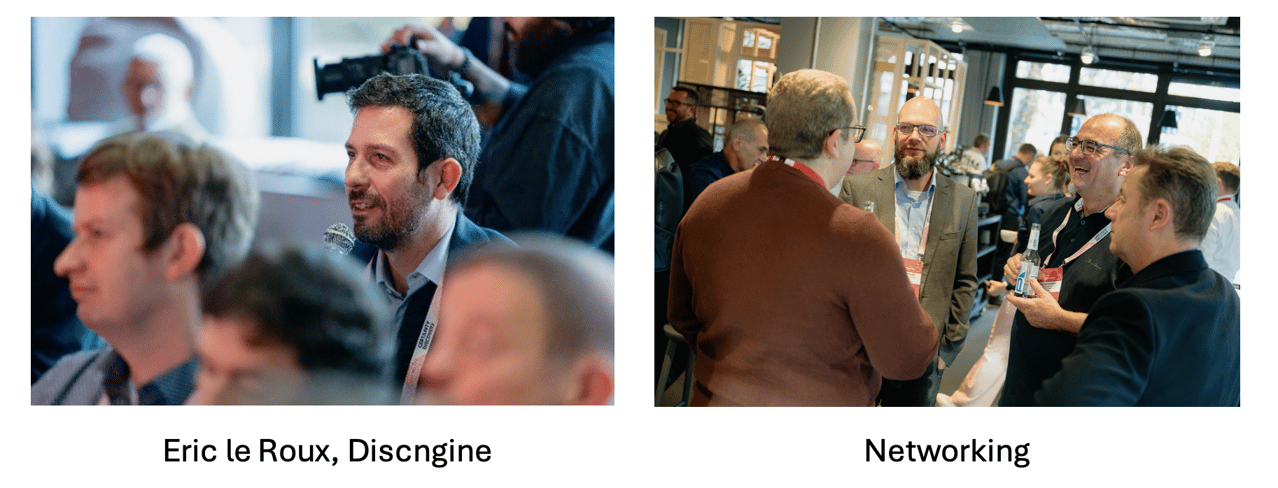
During the conference break we migrated to “Tech Corner” for (more than adequate) refreshments and informal software demonstrations. It was good to see the Certara and Chemaxon product portfolios being combined but other companies also made contributions. Elsevier was well-represented, for example, and Discngine showed Ideation SAR Slides.
Day One. Representation
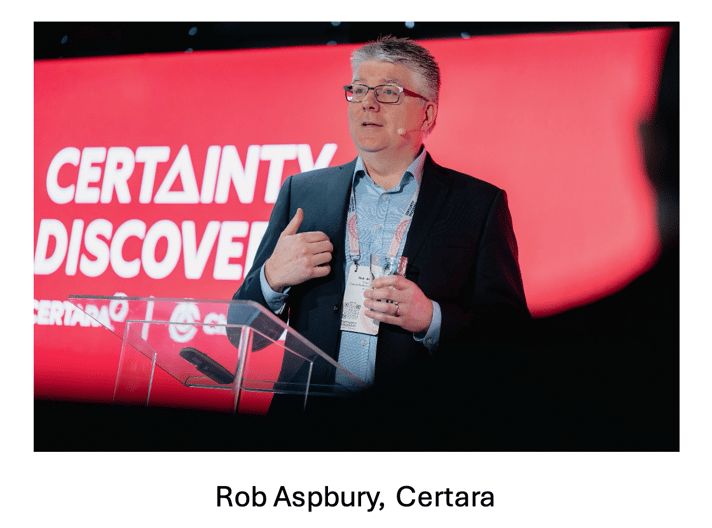
Rob Aspbury, President and CCO, Certara, gave a brief introduction to Day One’s proceedings, mentioning how Certara and Chemaxon had been tackling the acquisition phase and were planning the strategic use of AI. The first talk was given by Adrian Stevens of Chemaxon.
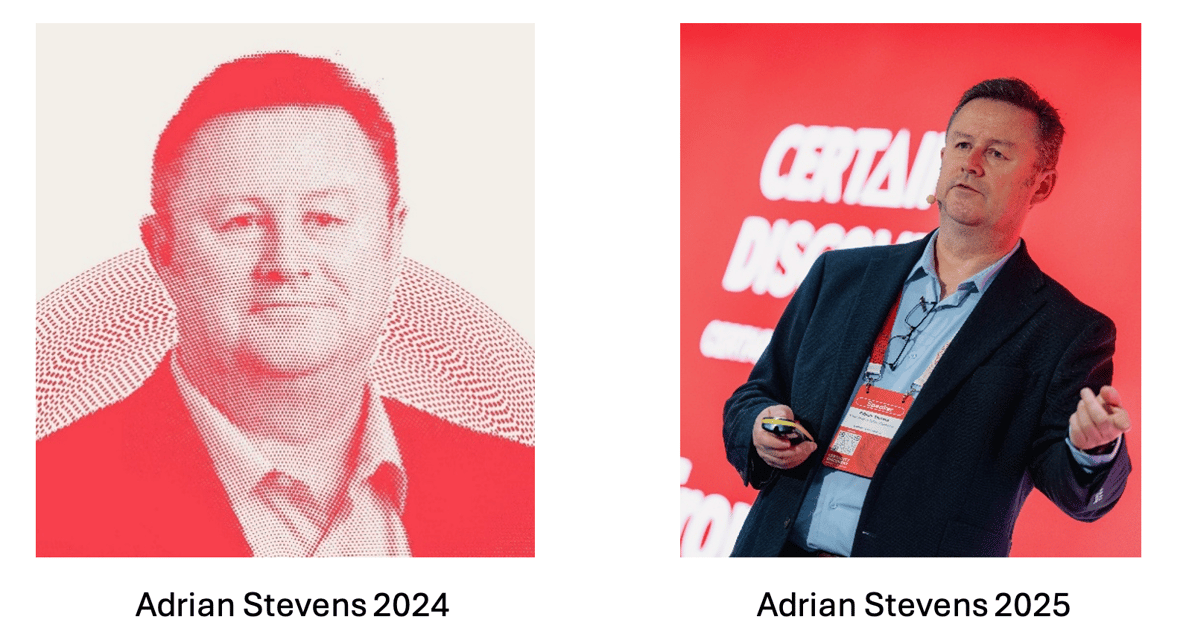
Just look at version 2025 of Adrian Stevens! Compare last year’s photo on this year’s conference bag with today’s real-life version. New, improved Adrian is proud also of the new, improved Marvin. In his talk, Adrian outlined the synergies between Chemaxon and Certara and presented a roadmap that will enable Chemaxon’s customers to interchange information seamlessly between chemistry and biology entity representations. He announced repeatedly throughout the meeting, “Marvin is the best molecular drawing tool in the world”.
Much useful strategic thought was presented by Nathan Brown in his talk on molecular design platforms which integrate chemists, biologists, and machines. A take-home message was that platforms should amplify scientific curiosity, not replace it. Data warehouses are not part of his vision; he sees platforms as operating systems for drug discovery. Nathan is keen on democratizing workflows at scientists’ point of need.
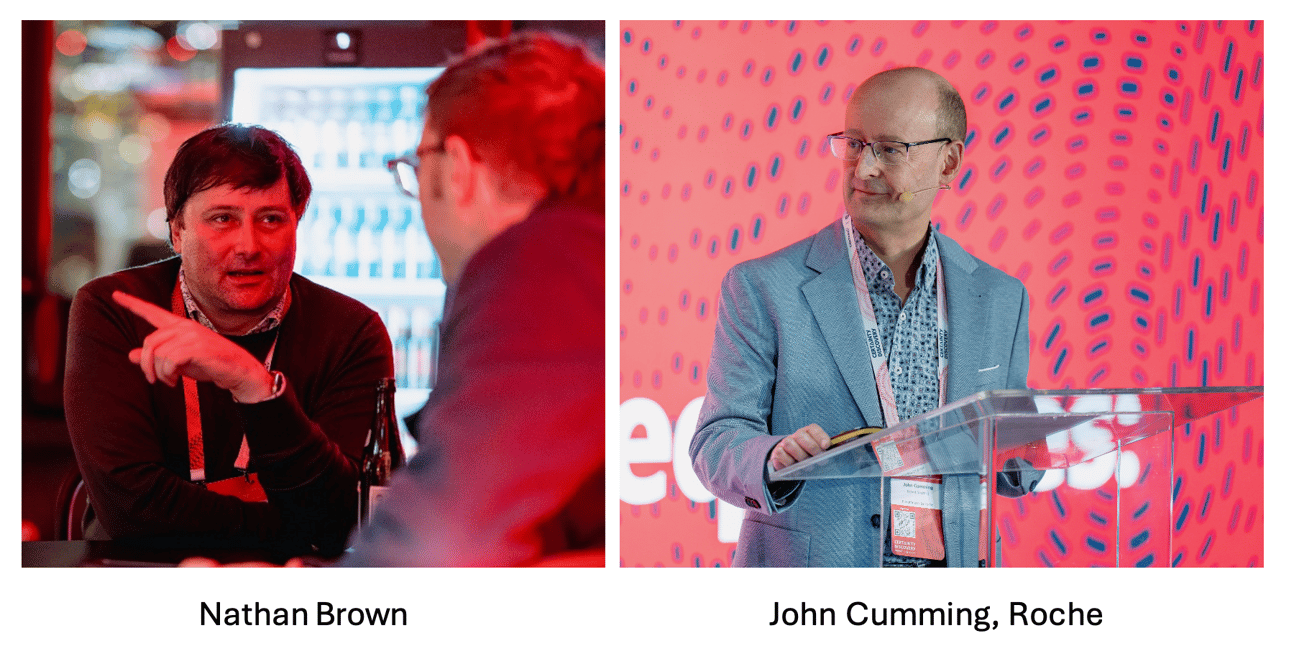
John Cumming of Roche talked about macrocyclic peptide (MCP) drug design. Tools developed for small molecules are not easily applicable to MCPs. Requirements for MCP informatics and modeling tools must be considered at two levels: monomers and macrocycles. Visualization is challenging: 2D sketches of large molecules take up a lot of screen space and are difficult to “read”, whereas amino acid code sequences are compact and easy to read but rely on knowledge of the meaning of each code.
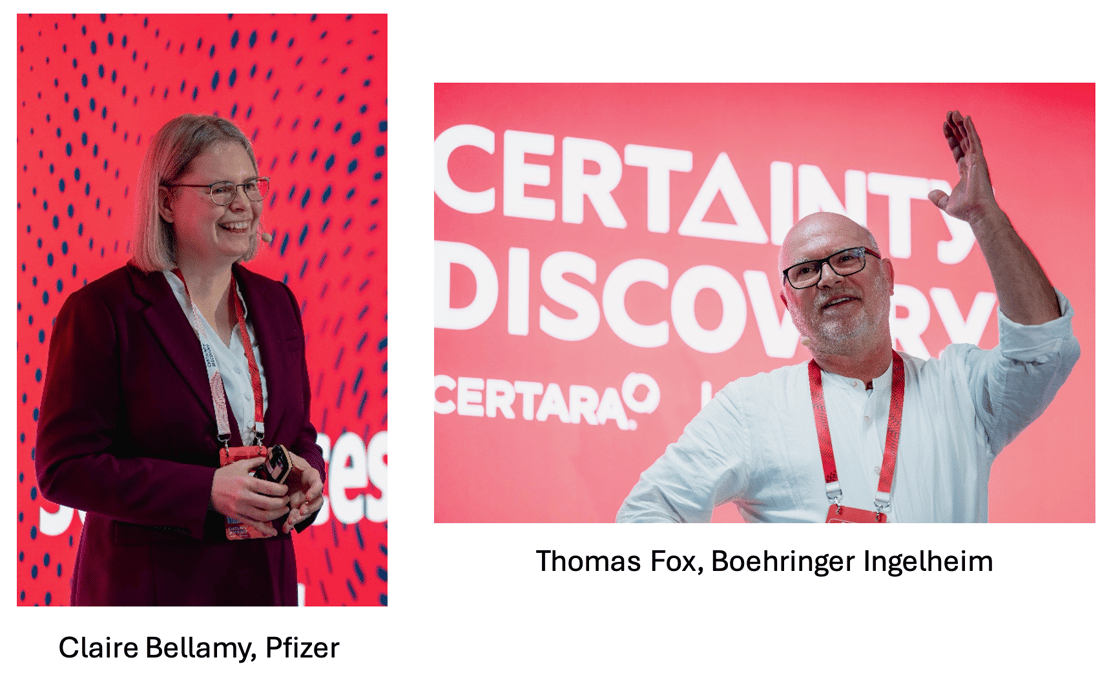
Monomer libraries are still an issue for HELM and polysaccharides and lipids are not yet covered by the notation. Claire Bellamy of Pfizer summarized the challenges presented by glycans: they have no consistent connection points and they have significant branching. Note that Chemaxon was an early partner in the HELM journey. “It took a village” as they say, and the HELM community could also develop a solution for glycans.
Thomas Fox of Boehringer Ingelheim (BI) discussed computational tools for peptide design. He showed examples of the Boehringer Ingelheim Line Notation (BILN) for representing peptides. BILN is built on monomers, as is HELM, and it needs a monomer library. BI has produced a Python library to validate and convert BILNs, and to calculate descriptors, Thomas also illustrated the use of BILN in D360 and in matched molecular pair analysis.
Since Marvin is the best molecular drawing tool in the world, surely Chemaxon must be thinking of supporting BILN. An expert tells me that BILN appeals because it can incorporate both natural residues and non-natural components and still maintain good readability. HELM is very good in itself, especially when there is uncertainty in the structure or ratios for example, but it is very hard to read and understand as a chemist. BILN has a level of simplicity and readability at its core.
Next, Farah Egby of the Pistoia Alliance gave a short presentation leading up to a panel discussion. There is new science (novel modalities and new assays), but it raises the same old problems (registration, mixtures, lineage etc.) and beyond the data, there are other issues such as data capture from instruments, metadata, processes, and context. Standards are needed and here the benefits of collaboration are obvious. I was surprised that little was said in the panel discussion about augmented intelligence (“human in the loop”), but maybe that was implicit.
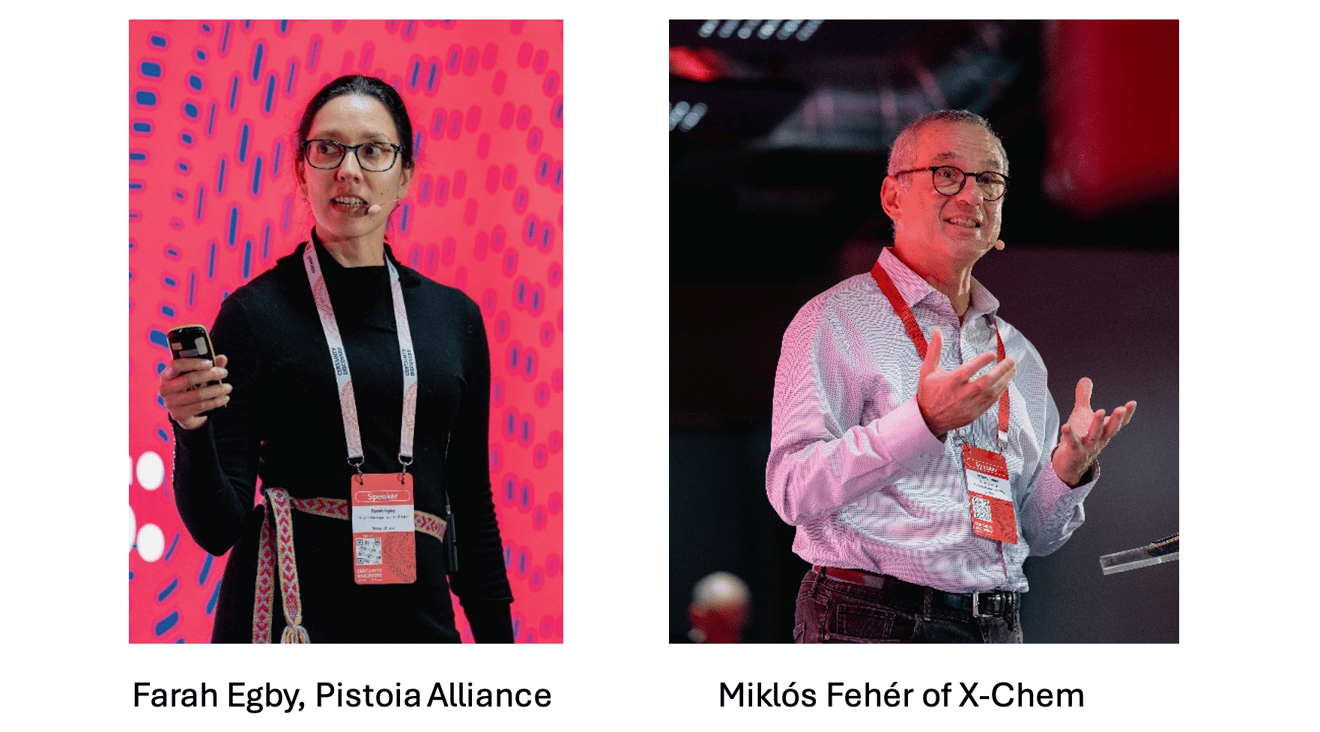
Miklós Fehér of X-Chem introduced us to DNA-encoded libraries and outlined some of his company’s science. Traditionally, most DEL data remains unused, but X-Chem can condense a massive amount of SAR information into pharmacophores and also include negative data. Miklós presented a case study showing how X-Chem’s pharmacophores capture structural information from DEL binders, accurately identify actives and show high selectivity in decoy tests, and bridge DEL screening with structure-based design.
Filip Miljković of AstraZeneca (AZ) concentrated on proteolysis targeting chimeras (PROTACS). bRo5 (biological Rule of Five) molecules necessitate assay modifications and new profiling assays. Methods for measuring properties for bRo5 include ChromLogD (a reverse-phase HPLC assay for lipophilicity) and experimental polar surface area (EPSA, a supercritical fluid chromatography assay for passive cellular uptake). AZ built ChromLogD and EPSA models using a random forest algorithm. Filip described an oral bioavailability project example in which the models proved to be fit-for-purpose to drive PROTAC synthesis decisions.
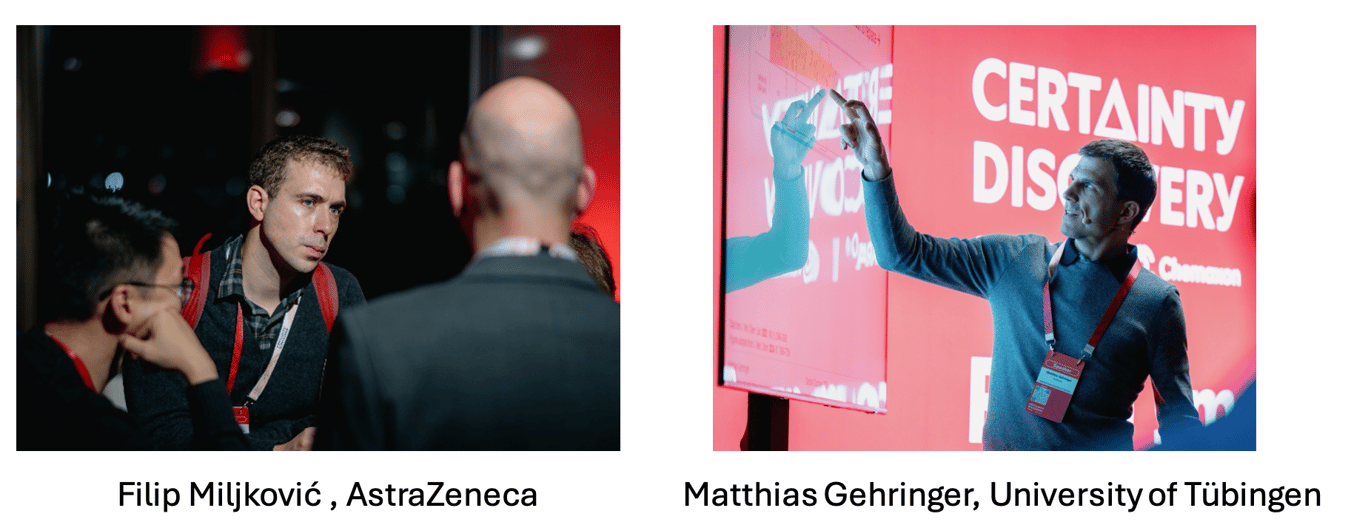
Matthias Gehringer of the University of Tübingen gave a dazzling review of warhead chemistry for targeted covalent inhibitors. These drugs are very different from the new modalities discussed earlier in the day, and they do not present the same problem of representation, but we, the organizers, felt that Matthias’s talk would be a distinguished, scientific end to the day and we were not disappointed. I could not possibly do justice to Matthias’s erudite talk in one short paragraph, but he left us with two useful references.1,2
Day Two. Decision making
Rob Aspbury gave an introduction to model-informed drug development (MIDD) and its significance in drug discovery. He introduced Certara’s overarching cloud platform for unifying its drug development software. David Lowis of Certara Predictive Technologies and Adrian Stevens set out how Certara and Chemaxon would be unifying the companies’ early-stage drug discovery software, starting with D360 and Design Hub. In 2026, Marvin (an awesome product which is ready to support peptides, oligonucleotides, and oligisaccharides) will support HELM and will be used in D360. In the long term, D360 and Design Hub will converge into a single design and analysis application.
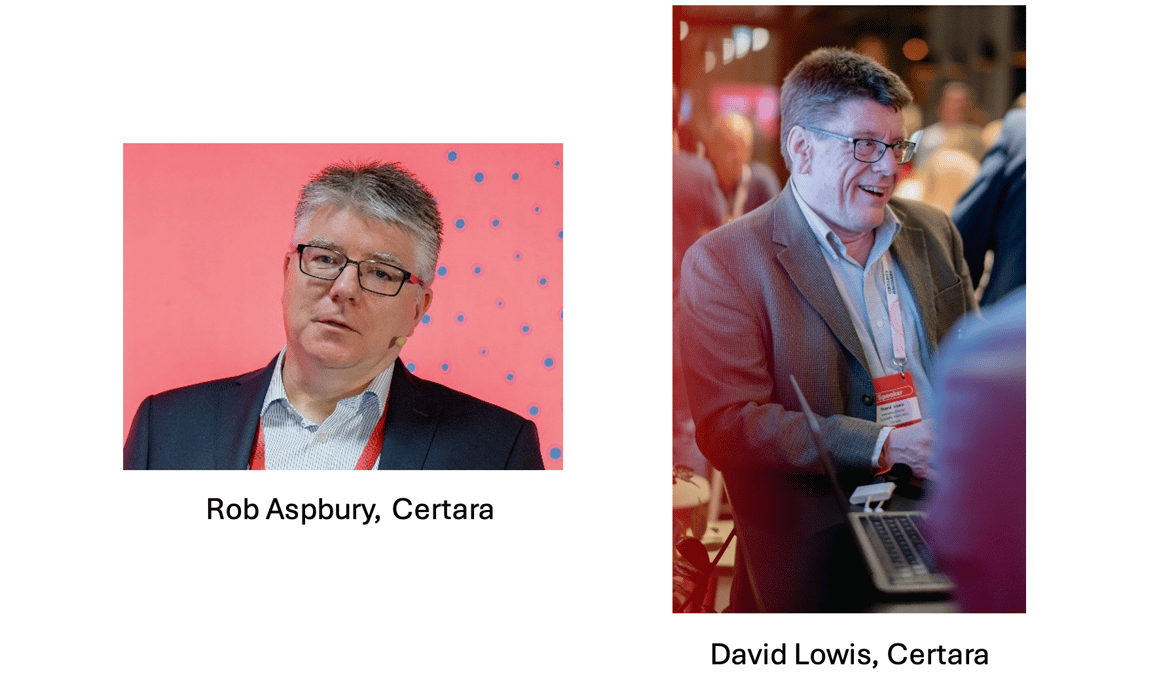
Next came the user talks. William McCoull is AZ’s D360 expert. Popular recent features of D360 are curve viewing and project progress tracking. Data can be exported to jmp and Spotfire for more advanced analysis. AZ has made opportunistic use of D360 HELM capabilities to enable peptide SAR. Conjugates, including antibody drug conjugates (ADCs) are a work-in-progress for optimal D360 exploitation.
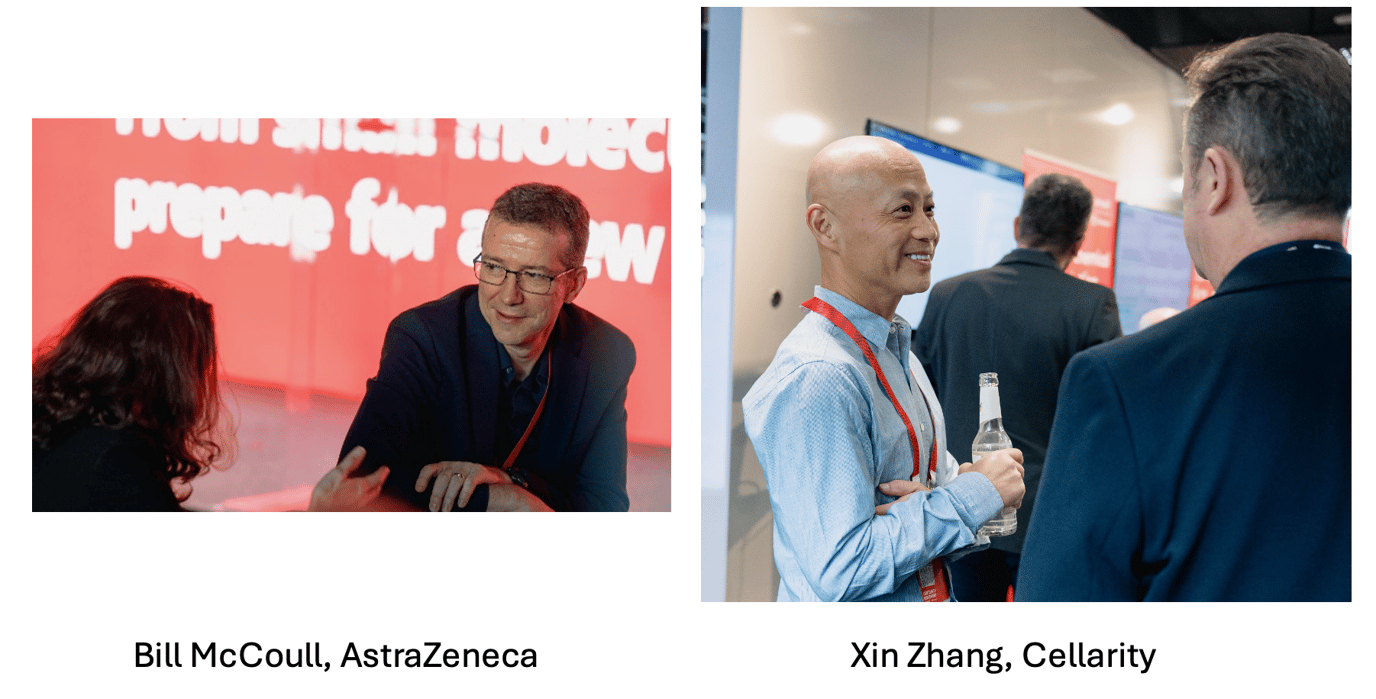
Xin Zhang of Cellarity gave two talks. In the first, he described how Cellarity faced the numerous challenges of siloed data and multiple applications to deploy an integrated platform for SAR visualization. A hybrid solution with Chemaxon products facilitated cross-functional chemistry collaboration. Cellarity launched Design Hub to track design ideas with greater efficiency. CRO productivity can be tracked. The new system delivers predictive capabilities to all users, supporting data-driven decision making in real time.
Sameh Eid of Merck KGaA was a very active contributor to the meeting, asking many useful questions. He gave a talk about portals in D360 for new biological entities. ADCs need a dedicated portal due to their complexity and ancestry requirements, and in order to handle experimental results across modalities. The portal supports sequence-based filters in queries, has a sequence viewer with annotations and custom numbering schemes and has more functions for sequence columns. Sameh is pleased that the Certara antibody working group is addressing challenges and opportunities.
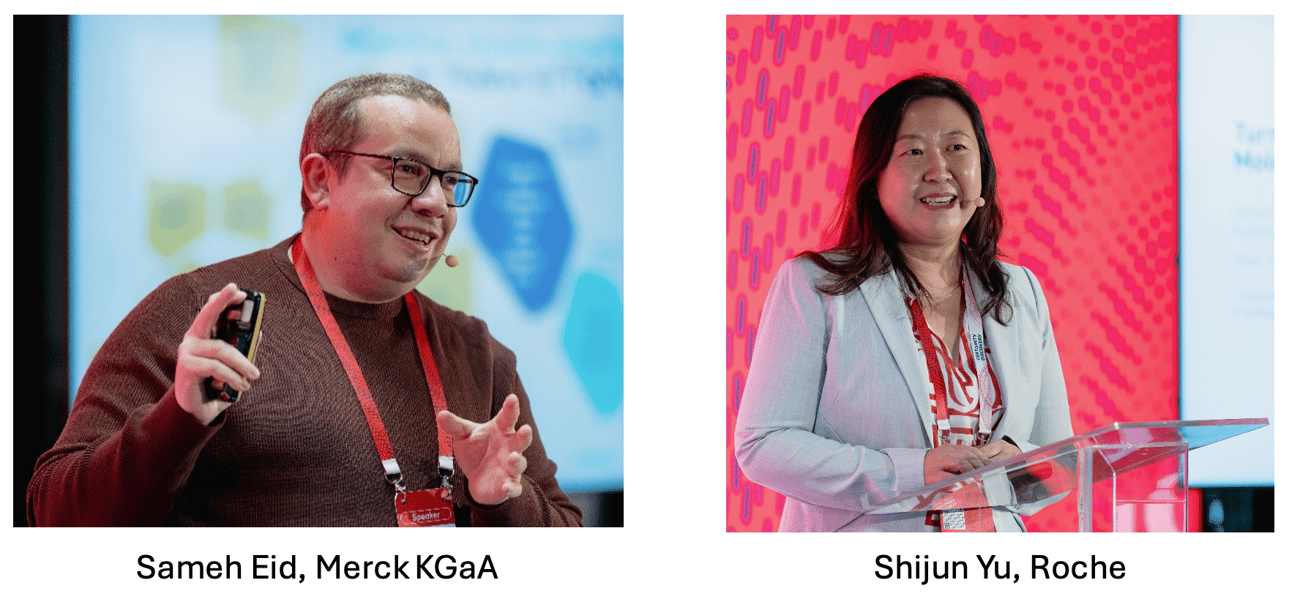
Shijun Yu of Roche concentrated on recombinant adeno-associated viral vectors (rAAVs). In the “build, test, learn, design” cycle, D360 is used to retrieve rAAV concepts, capsid, transgene, and serotype; trace batches; query functional cellular assays; and visualize and analyze the data in dashboards. The system facilitates cross-project learning; enhances manufacturability and developability knowledge; allows users to get an overview of batch quality and produced rAAV batches across departments; and gives an insight into specific cellular readouts of the tested AAV variants.
In a second talk, Xin Zhang described how Cellarity deployed Chemaxon’s Compound Registration with advanced stereochemistry. Data migration was time-intensive, especially when “clean up” was needed. Change management and broader user engagement were prioritized. Downstream workflows are supported. The system continues to evolve with ongoing vendor-client collaboration.
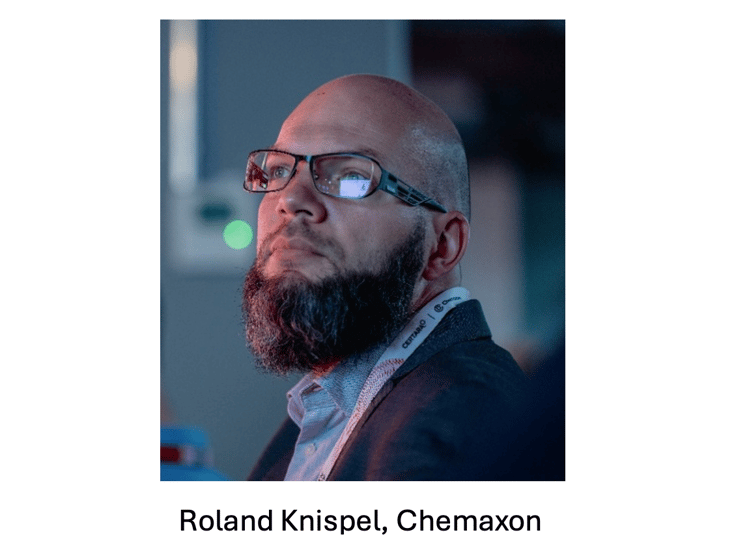
Roland Knispel of Chemaxon outlined support for multimodalities in Compound Registration. The new Marvin will be available as structure editor in Compound Registration from Q1 2026 (and we learned in Day One, Marvin is the best molecular drawing tool in the world). Already demonstrated are new workflows and UX improvements for small molecules; improved performance and scalability to 100 million compounds; easier application management with HELM charts; faster bulk registration, downstream connectivity, and chemical queries. Support for biologics and HELM for registration is in development.
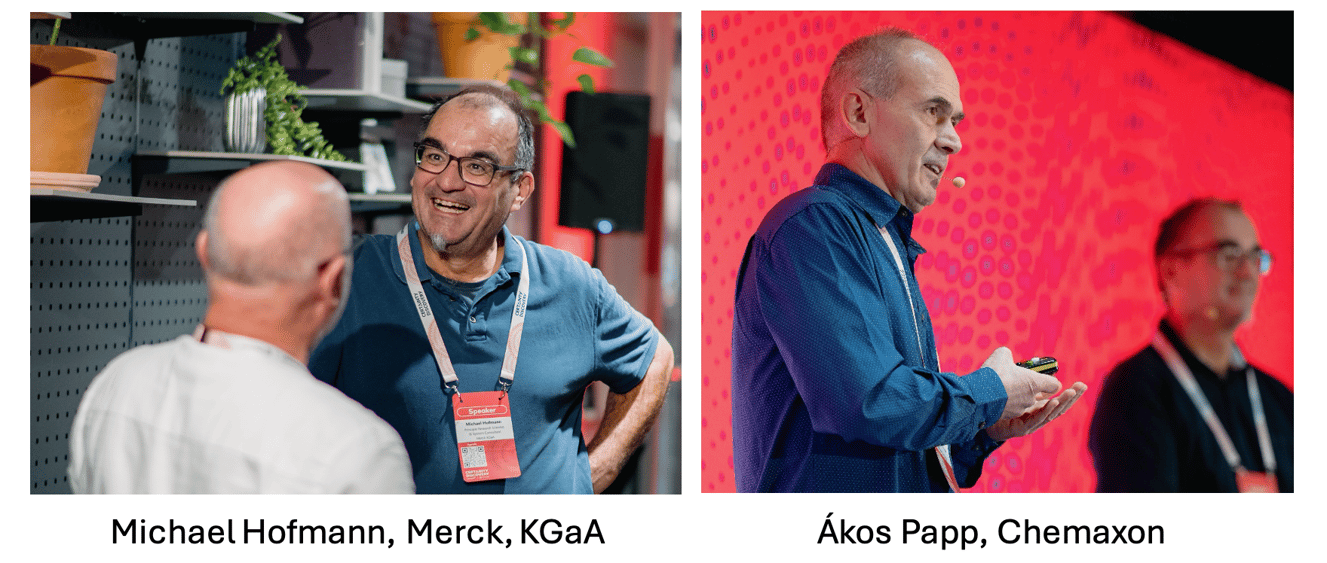
Michael Hofmann of Merck KGaA never ceases to cheer me with his spontaneous smiles. There is not a picture in the photo gallery in which he is not smiling; so good to see him back at a Chemaxon event. Michael and Ákos Papp gave an update on the use of Chemaxon’s Compliance Checker, used at Merck since 2017. Today, Chemaxon runs Compliance Checker as a fully managed in-house web service and Merck uses it to check all internal compound stores. Merck integrated it into Marvin for single interactive checks and into Excel for batch ones, and into the compound shipping tool to avoid buying controlled compounds in Germany. Chemaxon developed a custom application for automatic checking of the research database. In 2021, Merck added the tariff code cHemTS to its permanent application portfolio.
Gian Marco Ghiandoni of AZ talked about predictive AI in the DMTA cycle and the predict-first paradigm.3 The Predictive Insight Platform (PIP) is a critical, cloud-native platform for AI/ML drug discovery at AZ, hosting more than 400 models, integrated with over 15 chemistry applications. PIP interacts with D360. Some extended PIP functionalities in D360 are described in a manuscript soon to be published in ACS Omega.
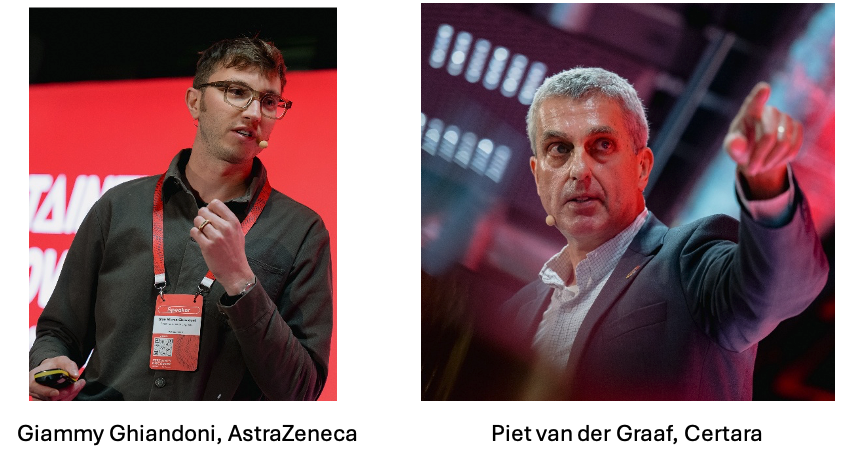
Day One ended on an erudite note and Day Two also ended with cutting-edge science. Piet van der Graaf, SVP Quantitative Systems Pharmacology (QSP) at Certara, concluded the meeting. Certara has aligned QSP with regulatory New Approach Methodology (NAM) initiatives. Early feasibility assessment (EFA) requires no in vivo animal data, no in vitro data, and no compounds. Piet presented four case studies and concluded by summarizing a recent publication on integrating QSP approaches in generative drug design.4 Certara has the largest library of validated EFA/QSP platform models in the industry.
Conclusion
I will end on a personal note. This meeting marked the end of one era and the beginning of another. Many years ago, Phil McHale awarded me a plaque in recognition of my “persistence and ubiquity” in attending so many MDL user meetings in many countries over the years. My persistence continued into the current century, until, in 2007, Alex Allardyce was so determined to attract me to a ChemAxon (note the “A”) user meeting that he paid me to attend one and I was smitten. After that, I even went to U.S. ChemAxon meetings and then to Chemaxon (note the “a”) meetings. I am a sentimental old soul, and I will be sad to see some of Chemaxon’s background disappear, but I also have colleagues I trust at Certara going back for many years, and at this meeting I enjoyed making the acquaintance of other Certara professionals. The old days have been fun, but the future is bright and I hope that the sun will continue to shine on the new Certara and its many users (and consultants, of course).
References
(1) Gehringer, M.; Laufer, S. A. Emerging and Re-Emerging Warheads for Targeted Covalent Inhibitors: Applications in Medicinal Chemistry and Chemical Biology. J. Med. Chem. 2019, 62 (12), 5673-5724.
(2) Hillebrand, L.; Liang, X. J.; Serafim, R. A. M.; Gehringer, M. Emerging and re-emerging warheads for targeted covalent Inhibitors: an update. J. Med. Chem. 2024, 67 (10), 7668-7758.
(3) Ghiandoni, G. M.; Evertsson, E.; Riley, D. J.; Tyrchan, C.; Rathi, P. C. Augmenting DMTA using predictive AI modelling at AstraZeneca. Drug Discovery Today 2024, 29 (4), 103945.
(4) van den Maagdenberg, H. W.; de Mol van Otterloo, J.; van Hasselt, J. G. C.; van der Graaf, P. H.; van Westen, G. J. P. Integrating pharmacokinetics and quantitative systems pharmacology approaches in generative drug design. J. Chem. Inf. Model. 2025, 65 (10), 4783-4796.
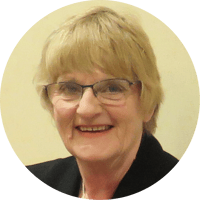 Dr. Warr (wendy@warr.com) is a Chartered Chemist, a Fellow of the Royal Society of Chemistry and a Fellow of the Chartered Institute of Library and Information Professionals. She has over 50 years' experience in information systems and research computing including nearly 20 years in the pharmaceutical industry. Dr. Warr is the recipient of the 2020 ACS CINF Herman Skolnik Award. She was an Editor of the ACS Journal of Chemical Information and Modeling (formerly Journal of Chemical Information and Computer Sciences) for 24 years. She has written for the Journal of Computer-Aided Molecular Design and is on the Editorial Board of the Journal of Cheminformatics. She has written or edited nine books and has about 90 publications to her credit. Wendy Warr & Associates offer consultancy services, do competitive intelligence studies, attend major conferences and write reports in the fields of cheminformatics, computational chemistry and electronic publishing.